2026-08-29 ·
Why Black River Flooding Puts Poplar Bluff Basements at Risk
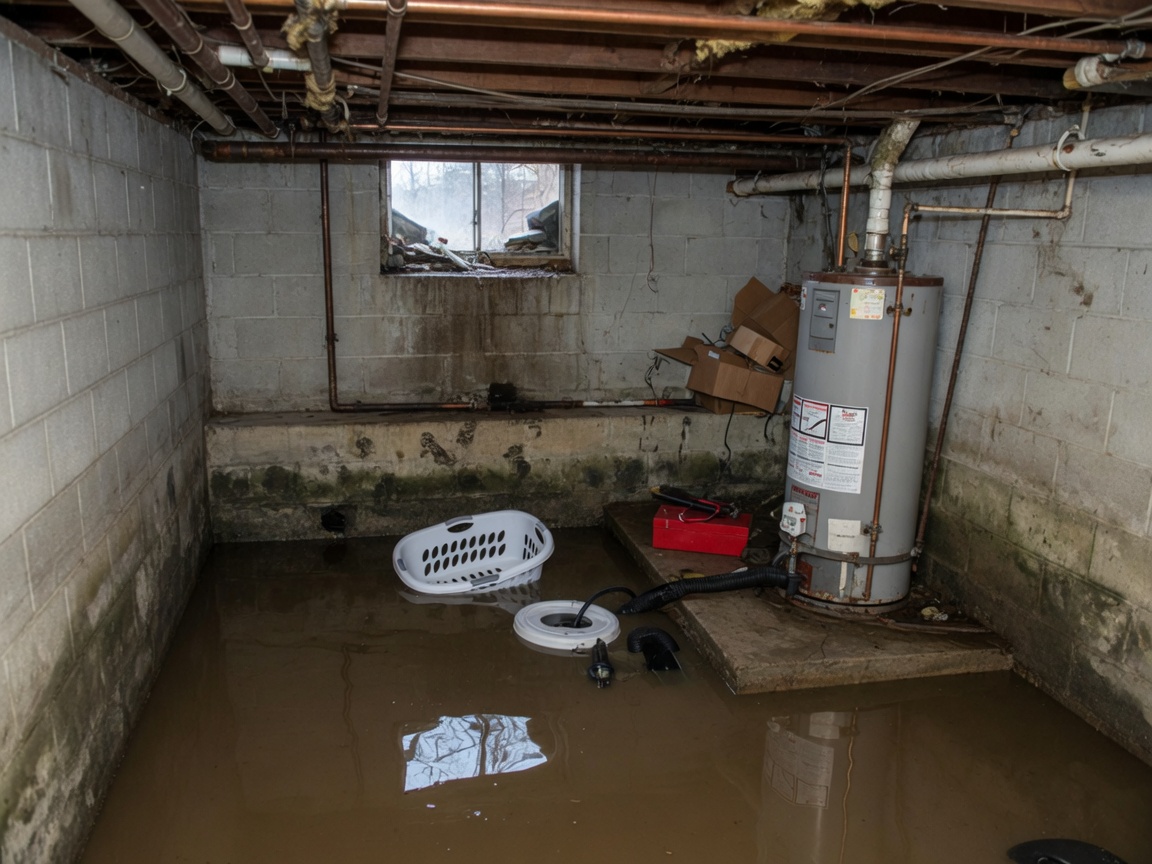
Black River flooding puts Poplar Bluff basements at risk when sustained heavy rainfall saturates the clay-heavy soils of Butler County and forces water through foundation cracks or back up sewer lines in neighborhoods like Downtown and North Poplar Bluff.
How Black River Levels Affect Local Groundwater
Poplar Bluff sits in a humid subtropical climate where hot, humid summers often bring intense thunderstorms that swell the Black River. When river stages rise, the water table climbs quickly through the flat terrain near Three Rivers College and Poplar Bluff Regional Medical Center. Homes built before the 1970s in North Poplar Bluff commonly have shallow foundations that sit only a few feet above seasonal high water. This combination lets groundwater seep through mortar joints and floor cracks within hours of sustained rain. Residents near Mark Twain National Forest see the same pattern because runoff from higher ground funnels directly into the river corridor. The result is standing water that reaches 6–18 inches deep before pumps can keep up.
Sewer Line Vulnerability During Flood Events
Older clay and cast-iron sewer lines installed decades ago in Downtown Poplar Bluff crack or separate when surrounding soil shifts under flood pressure. Once the Black River crests, hydrostatic force pushes water and debris back through these lines, creating backups that enter basements through floor drains. Properties between Poplar Bluff and nearby Sikeston or Cape Girardeau face identical risks because the same river system drains the region. How to Tell If Your Sewer Line Is Collapsing in Southeast Missouri explains the early signs homeowners notice after spring floods. Regular inspection of cleanouts before heavy rain seasons helps identify offsets before they allow full backups.
Why Sump Pumps Struggle in Butler County Floods
Sump pumps installed in Poplar Bluff basements often run continuously once the Black River rises because the volume of groundwater exceeds the 1/3-horsepower units common in homes from the 1950s and 1960s. Hot, humid summers increase evaporation and later condensation, but the real strain comes from prolonged river flooding that keeps the pit full for days. When power fails during storms, even working pumps stop, allowing water to reach furnace levels or electrical panels. Sump Pump Failures That Flood Butler County Homes Every Spring details how float switches corrode faster in the mineral-rich water that enters during Black River events. Homeowners in Harviell and Wappapello report the same extended run times after each major crest.
Practical Steps After Black River Crests
After the river recedes, check basement floors for silt lines that show how high water reached and photograph any wet insulation or drywall for later reference. Open windows on opposite walls to promote airflow while avoiding direct fans that can spread mold spores in the humid air. If sewer odors appear, avoid using drains until a plumber clears the line, because flood debris often lodges in the main between the house and the street. Properties in Broseley and Neelyville that sit slightly lower than central Poplar Bluff benefit from checking discharge lines on existing sump systems to ensure they still route water away from the foundation rather than back toward it.